Intro
Todays blog post has been buzzing around my head for some time. Despite having all of the latest DJ tech pass through the DJWORX labs, and owning a whole variety of controllers, when I want to have a mix, I nearly always play my vinyl. But why is that? Surely controllers are the future? Well they are. Stand alone and laptop based controllers give you access to virtually every song ever made. But some times it feels “too much”.
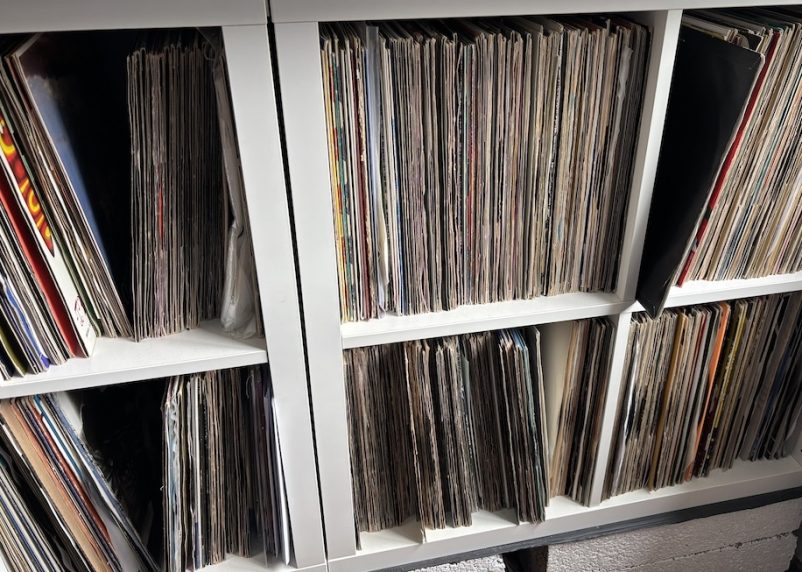
I have a deep connection with my vinyl, I can probably tell you a story about each record (800 at the last count), and I love the tactile element of DJing with vinyl. It is harder for sure, do I use it for oneupmanship, to differentiate myself from newbies? Maybe a little if I am honest, but then I am no turntablist. So it must be more than that. Here’s my thoughts on why I still love vinyl, why there is a (small) resurgence in vinyl sales and DJing and what the future holds.
When you think of a DJ, what comes to mind? Perhaps a person standing behind a set of turntables, expertly mixing and scratching vinyl records to create a unique and energetic sound. While this image may seem like a thing of the past, it’s actually making a strong comeback in the world of DJing. In recent years, there has been a resurgence of vinyl and a trend of DJs choosing to use records over digital equipment.
If you want to see how DJing with vinyl can be made int art, then see DJ JFB on the decks. We have interviewed DMC World Champion JFB, it’s well worth a read
https://www.youtube.com/watch?v=mDpw5Oxpczo
Vinyl has the nostalgia factor
Let’s be honest – one of the main reasons why DJing with vinyl is still cool is the nostalgia factor. For many of us, especially those who have been in the industry for a long time, using vinyl brings back memories of our early days and the roots of DJ culture. It’s a way to pay homage to the pioneers of DJing and the music that inspired them.
For me – DJs like Sasha, Rob Tissera and DJ Sy took playing vinyl into new territory, whether it was using accapelas, scratching or holding mixes together for minutes at a time.
Moreover, the nostalgic appeal of vinyl extends beyond the DJs themselves. Many music enthusiasts who attend DJ sets with vinyl appreciate the throwback to earlier times, when music was experienced in a more tactile and deliberate manner. This shared sense of nostalgia creates a bond between the DJ and the audience, fostering a communal sense of appreciation for the art form. It’s not just about playing music; it’s about celebrating the history and evolution of DJing. This is particularly prevalent in the hip-hop world, but also in the US house scene – Long standing genres, where there is deep rooted associations between particular records and specific DJs.

Vinyl has a more authentic sound?
Here’s a controversial one. Vinyl produces a more authentic sound. Everyones definition of authentic will differ, digital music may offer convenience and flexibility, but it lacks the warmth and depth of vinyl. It’s hard to quantify, but the analog sound produced by records has a certain warmth and character that cannot be replicated by digital equipment. This is especially true for genres like hip-hop and house, where the raw and gritty sound of vinyl is an essential part of the music.
Audiophiles often argue that vinyl’s analog sound captures the nuances and imperfections of a live performance better than digital formats. The gentle hiss, occasional pop, and the richness of the analog waveforms add a layer of authenticity that we find nostalgic and welcoming. Furthermore, the mastering process for vinyl records traditionally prioritised dynamic range and sound quality over loudness, resulting in a more pleasant and immersive listening experience. Modern music is, loud. DJs who use vinyl are not just playing tracks; they are curating a deeper, more resonant auditory journey for their audience.
Image source – Reddit – Over compression creating harshness

Rediscovering the art of beatmatching
Beatmatching has become a lot easier with the help of technology. You see it on social and forums al the time “I’ve had my decks a week and I have mastered beatmatching” – using waveforms and sync this is entirely possible, however, for DJs who use vinyl, beatmatching is a skill that requires precision and practice. A LOT OF PRACTISE. YEARS OF PRACTISE.
With vinyl records, there is no visual aid or automatic sync button, so DJs rely on their ears and their knowledge of music. It is HARD to do well. This adds an element of artistry and skill to the DJ’s performance, making it more engaging and impressive to watch. Basically not everyone can do it, or will put in the time to be able to, and frankly there is almost no-one who will ever be able to do it like DJ JFB
Learning to beatmatch with vinyl involves not only mastering the mechanics of turntables, but also developing a keen sense of rhythm, and having an intimate understanding of the music being played. It’s a craft that demands HOURS of practice and a deep connection to the music. You need to love the music you are playing to want to learn with it. For any of the 90s house music crew out there, we learnt to DJ with records from the mighty Cleveladn City records. Clean beats, long intro’s and dub versions, but most importantly we loved (and still do) this style of house.
As a DJ when you nail a perfect beatmatch on vinyl, it’s a testament to your dedication and skill. The audience, too, can sense the effort and precision involved, making the performance all the more compelling.
Vinyl – More from less?
One of the biggest things with DJing with vinyl is the volume of music available to you. Digital music offers an endless library of songs, with vinyl you are limited to what’s in your record box. Want to add a tune to your mix you don;t currently have? That’s goign to involve at the very least a trip to the local record shop (if you have one) and they might well not have it. In which case you are goign to haev to order it online, where the best turnaround time is several days.
So this means that for DJs who use vinyl and dig deeper and search for rare and obscure records, your available tracks will take a long time to curate. And we love that. It’s a labour of love.
Crate-digging, the practice of searching through record stores and collections for hidden gems, has always been an integral part of DJ culture. Vinyl DJs spend hours hunting for unique and rare records, building a collection that reflects their personal taste and musical identity. We’ve spent more time in Blackmarket in Soho and Music and Video Exchange in Notting Hill than in some relationships.
This dedication to discovering new music can translates into sets that are rich in variety because you are physically exposed to different genres. But also tracks that are not available in digital format still exist, and always will. 1992 hardcore? Early hip hop, northern soul? There is still a vast amount of non-digitised choice. Exclusivity of these records gives vinyl DJs a distinctive edge, you literally won’t hear those tunes anywhere else. Certainly not on Spotify.

Physical connection to the music
DJing with vinyl, you are physically interacting with the music. Sure on a controller you are manipulating the music, but you aren’t actually touching it. There isn;’ that direct link to the producer. Without getting too philosophical about it, vinyl is a bit like shaking hands with the artist.
DJing with vinyl offers a physical connection, handling the vinyl, adjusting the tonearm, and manually cueing tracks. This tactile engagement provides a more intimate and immersive experience for both the DJ and the audience. And of course you can wave the record sleeve around to show the audience just how exclusive a track is. (Unless you are on the Northern Soul scene, where they actually cover the labels up to stop other DJs from copying the songs they play)
I feel DJing with vinyl creates a deeper emotional bond between the DJ and my music library. Each of my vinyl has a story – limited edition pressing, rare find at a record store, gift or funny memory attached to it. Handling my vinyl records also requires care and attention, as they are more obviously susceptible to damage than digital files.
Watching a DJ handle vinyl records with precision and skill is part of the spectacle. The audience can see the DJ making real-time adjustments through this tactile manipulation of the vinyl. This visual element adds an additional layer of performance that engages more than just the ears. It’s no coincidence that the rise of the Jesus pose, and generally leaping around behind the decks has coincided with the rise of digital DJing, otherwise there would be literally nothing for the audience to focus on.
Vinyl introduces an element of unpredictability and spontaneity into a DJ set. Unlike digital tracks that can be perfectly pre-programmed, vinyl records can introduce unexpected pops, skips, and fluctuations. A skilled vinyl DJ will embrace and incorporate these quirks into their mixes, keeping the audience on their toes. This embrace of imperfection and real-time creativity adds to the authenticity and charm of vinyl DJing. And let’s be honest, who hasn’t lifted the needle off of the wrong deck at some stage….
DJing with vinyl summing up
I grew up buying and playing vinyl. So my conclusion here will be different to that of DJ Jakx. For me I the resurgence of DJing with vinyl is testament to the enduring appeal of a traditional art form in a digital age. The nostalgia factor connects DJs and their audiences to the rich history of our music and DJ culture, while the “authentic” sound quality of offers another form of nostalgia.
Beatmatching is a proper challenge to do well on vinyl. Finding and selecting rare and obscure records allows vinyl DJs to create distinctive unique sets. Most importantly, the physical connection to the music adds a layer of intimacy, ritual, and spontaneity that cannot be replicated by digital equipment.
DJing with vinyl is more than just a technical choice; it’s a passionate commitment to a craft that values authenticity, artistry, and the tangible essence of music. As we move forward in the digital age, the continued popularity of vinyl in DJing serves as a reminder that sometimes, the old ways still hold a unique magic. DJing with vinyl means it’s not just about the music played, it’s about the connection between the DJ, the music, and the audience.
Long may DJing with vinyl continue.
Right I’m off to have a mix on the CDJ-3000x